West End Mobility Improvements

Share West End Mobility Improvements on Facebook Share West End Mobility Improvements on X (formerly Twitter) Share West End Mobility Improvements on Linkedin Email West End Mobility Improvements link

Project Overview

The City of Aspen is working to address mobility and improve safety in the West End neighborhood. During peak commuter periods, many drivers use neighborhood streets as alternate routes, increasing traffic volumes and creating concerns for residents.

Through the West End Mobility Improvements, the city is evaluating a range of potential strategies to improve neighborhood livability while maintaining safe and efficient transportation throughout Aspen.


Project Background

Over the past several years, West End residents have expressed concerns about:

  • Increased cut-through traffic
  • Pedestrian and bicycle safety
  • Vehicle speeds and noise
  • Alley traffic
  • Overall neighborhood livability

Following a series of City Council work sessions in 2025, Council directed staff to study a variety of safety improvements. In December 2025, the city retained Alta Planning + Design and Jacobs to complete technical analysis and feasibility studies for the project.


Current Work

The approved project includes 12 individual tasks that evaluate existing conditions and explore potential strategies related to:

  • Traffic congestion
  • Pedestrian safety
  • Bicycle safety
  • Traffic enforcement
  • Traffic signals
  • Neighborhood livability

At this stage, staff is collecting data, evaluating alternatives, and determining which solutions are technically feasible and appropriate for future consideration.


Strategies Being Evaluated

As part of the project, the city is exploring a variety of targeted improvements intended to help address mobility and improve safety within the West End neighborhood. These include:

  • School zone signing and pavement marking improvements near the Yellow Brick Building school.
  • New stop bar markings and speed limit sign recommendations throughout the neighborhood.
  • Pedestrian enhancements and traffic calming measures to create safer connections through the West End.
  • Neighborhood signage and education campaigns that encourage safe and courteous driving behaviors.
  • Pedestrian crossing and intersection improvements at Hallam Street and 8th Street.

These concepts are being evaluated alongside technical analysis, traffic data, and community feedback. Not all strategies will necessarily move forward to implementation.


Near-Term Improvements

Some operational improvements are moving forward, including:

  • Updated signage
  • New stop bars
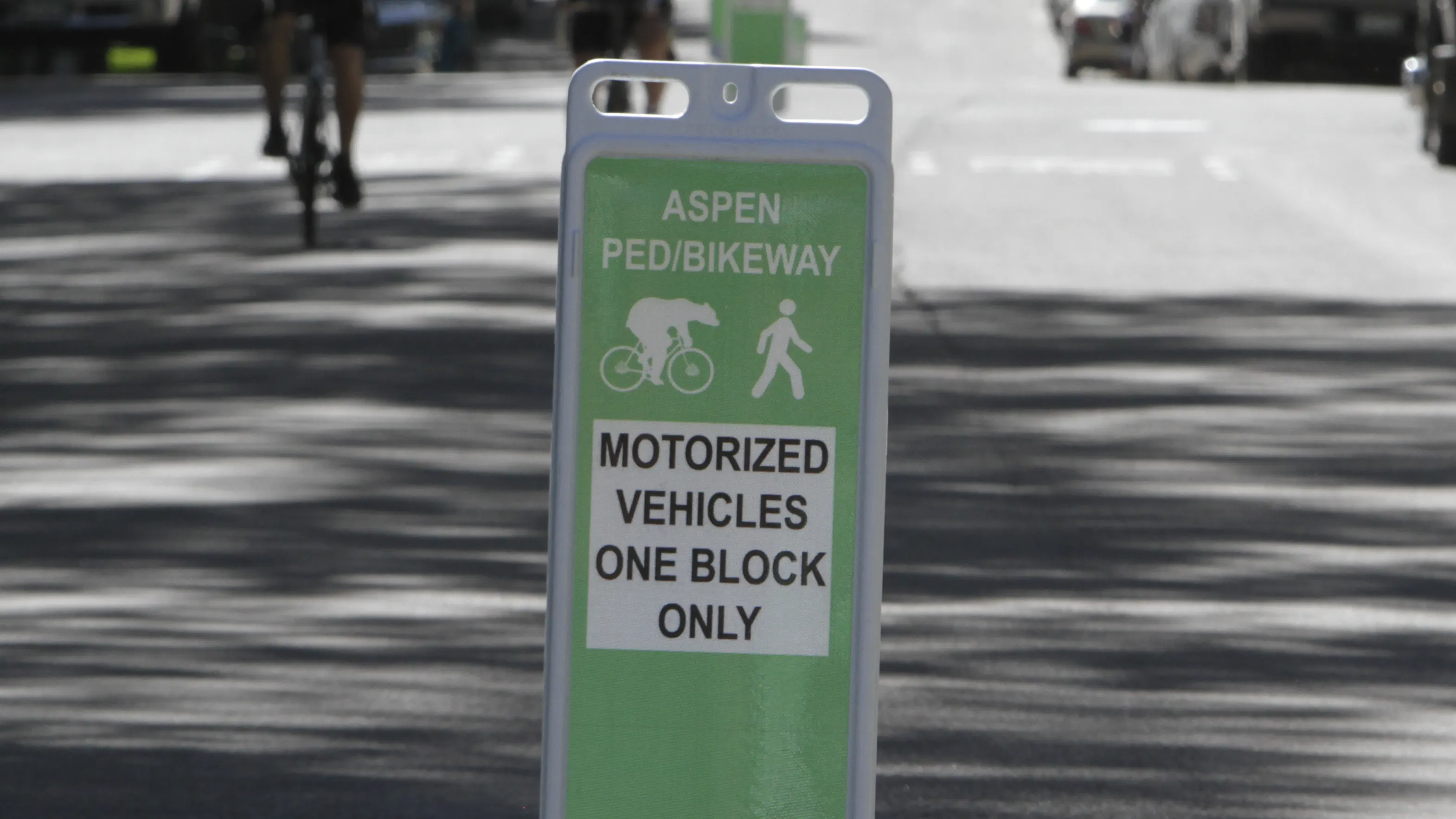
  • Traffic diverters along the Hallam Pedestrian and Bicycle Way

More significant operational or physical changes require additional engineering analysis and peak summer traffic data before additional recommendations are made.


Community Input

Community feedback is an important part of the project.

Earlier this year, the city surveyed West End residents to better understand concerns related to traffic, alley operations, noise, and pedestrian and bicycle safety. The survey received 103 responses.

While opinions varied, one consistent theme emerged: residents generally favored targeted, neighborhood-specific improvements over broad restrictions.

In addition to the survey, the city continues to receive comments from residents regarding traffic enforcement, speeding, noise, pedestrian safety, and implementation priorities. This feedback is being considered alongside technical analysis and traffic data throughout the project.


What's Next?

City staff will continue technical analysis and collect additional peak summer traffic data before returning to City Council later this summer and early fall.

Future Council updates will include:

  • Findings from technical analysis
  • Evaluation of potential alternatives
  • Staff recommendations, where appropriate
  • Opportunities for Council direction on future implementation


As work progresses, this page will be updated with project milestones, Council presentations, and opportunities for the public to stay informed.

Project Overview

The City of Aspen is working to address mobility and improve safety in the West End neighborhood. During peak commuter periods, many drivers use neighborhood streets as alternate routes, increasing traffic volumes and creating concerns for residents.

Through the West End Mobility Improvements, the city is evaluating a range of potential strategies to improve neighborhood livability while maintaining safe and efficient transportation throughout Aspen.


Project Background

Over the past several years, West End residents have expressed concerns about:

  • Increased cut-through traffic
  • Pedestrian and bicycle safety
  • Vehicle speeds and noise
  • Alley traffic
  • Overall neighborhood livability

Following a series of City Council work sessions in 2025, Council directed staff to study a variety of safety improvements. In December 2025, the city retained Alta Planning + Design and Jacobs to complete technical analysis and feasibility studies for the project.


Current Work

The approved project includes 12 individual tasks that evaluate existing conditions and explore potential strategies related to:

  • Traffic congestion
  • Pedestrian safety
  • Bicycle safety
  • Traffic enforcement
  • Traffic signals
  • Neighborhood livability

At this stage, staff is collecting data, evaluating alternatives, and determining which solutions are technically feasible and appropriate for future consideration.


Strategies Being Evaluated

As part of the project, the city is exploring a variety of targeted improvements intended to help address mobility and improve safety within the West End neighborhood. These include:

  • School zone signing and pavement marking improvements near the Yellow Brick Building school.
  • New stop bar markings and speed limit sign recommendations throughout the neighborhood.
  • Pedestrian enhancements and traffic calming measures to create safer connections through the West End.
  • Neighborhood signage and education campaigns that encourage safe and courteous driving behaviors.
  • Pedestrian crossing and intersection improvements at Hallam Street and 8th Street.

These concepts are being evaluated alongside technical analysis, traffic data, and community feedback. Not all strategies will necessarily move forward to implementation.


Near-Term Improvements

Some operational improvements are moving forward, including:

  • Updated signage
  • New stop bars
  • Traffic diverters along the Hallam Pedestrian and Bicycle Way

More significant operational or physical changes require additional engineering analysis and peak summer traffic data before additional recommendations are made.


Community Input

Community feedback is an important part of the project.

Earlier this year, the city surveyed West End residents to better understand concerns related to traffic, alley operations, noise, and pedestrian and bicycle safety. The survey received 103 responses.

While opinions varied, one consistent theme emerged: residents generally favored targeted, neighborhood-specific improvements over broad restrictions.

In addition to the survey, the city continues to receive comments from residents regarding traffic enforcement, speeding, noise, pedestrian safety, and implementation priorities. This feedback is being considered alongside technical analysis and traffic data throughout the project.


What's Next?

City staff will continue technical analysis and collect additional peak summer traffic data before returning to City Council later this summer and early fall.

Future Council updates will include:

  • Findings from technical analysis
  • Evaluation of potential alternatives
  • Staff recommendations, where appropriate
  • Opportunities for Council direction on future implementation


As work progresses, this page will be updated with project milestones, Council presentations, and opportunities for the public to stay informed.

Page published: 14 Jul 2026, 04:35 PM